
A Sulfadimidine inquiry often starts with a short message: price, COA, packing, lead time. Then the checking begins. The supplier may reply with “sulfamethazine.” The buyer’s old file may still say “SM2.” These names may refer to the same material, but the CAS number, assay range, product form, and packing still need to match before sampling or shipment.
Another point is easier to miss: Sulfadimidine powder is not Sulfadimidine Sodium. The sodium salt form may be discussed when water solubility matters, so the required form should be confirmed before price comparison.
For importers, distributors, veterinary pharmaceutical manufacturers, and formulation companies, one unclear COA or one wrong product form can slow the whole process.
SPS Chemical, operated by Henan Springsea Chemical Products Co.,Ltd., supplies both Sulfadimidine powder and Sulfadimidine Sodium for B2B veterinary raw material buyers. Current specification, COA availability, packing details, sample status, and bulk quotation can be discussed during the inquiry stage.
Product Identity Check Before Sending a Price
Same Material, Different Names on Paper
In Sulfadimidine purchasing, the first small problem is often the name. One buyer may write Sulfadimidine in the inquiry. Another file may call it sulfamethazine. Some older factory records still use SM2.
For Sulfadimidine powder, CAS No. 57-68-1 is the key reference. It helps match the quotation, COA, label, sample request, and internal purchase record. If the name changes from one document to another but the CAS number and specification match, the issue is usually manageable. If the CAS number is missing, the buyer has more work to do.
A small naming mismatch can still slow an order. A distributor may need written confirmation for the end customer. A manufacturer may need QC to approve the document before sample testing. These are not big technical arguments, but they take time.
Confirm the Form Before Comparing Offers
Price comparison only makes sense after the product form is clear. Sulfadimidine powder and Sulfadimidine Sodium are related products, but they should not be quoted as if they were the same item.
The question is practical: does the project need standard Sulfadimidine powder, or does the formulation team need the sodium salt form for better water solubility? If that point is missed, the buyer may receive a reasonable price and still get the wrong sample.
A useful reply from Sulfadimidine manufacturers should mention the product form, CAS number, assay range, packing size, recent COA availability, sample status, and lead time.
Technical Review of Sulfadimidine Powder
Identity, Assay, and Appearance
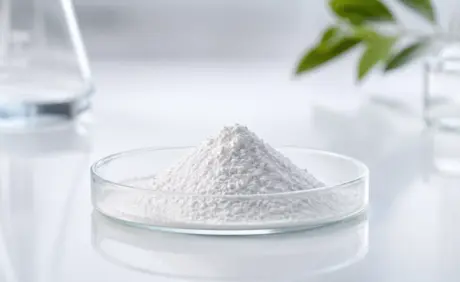
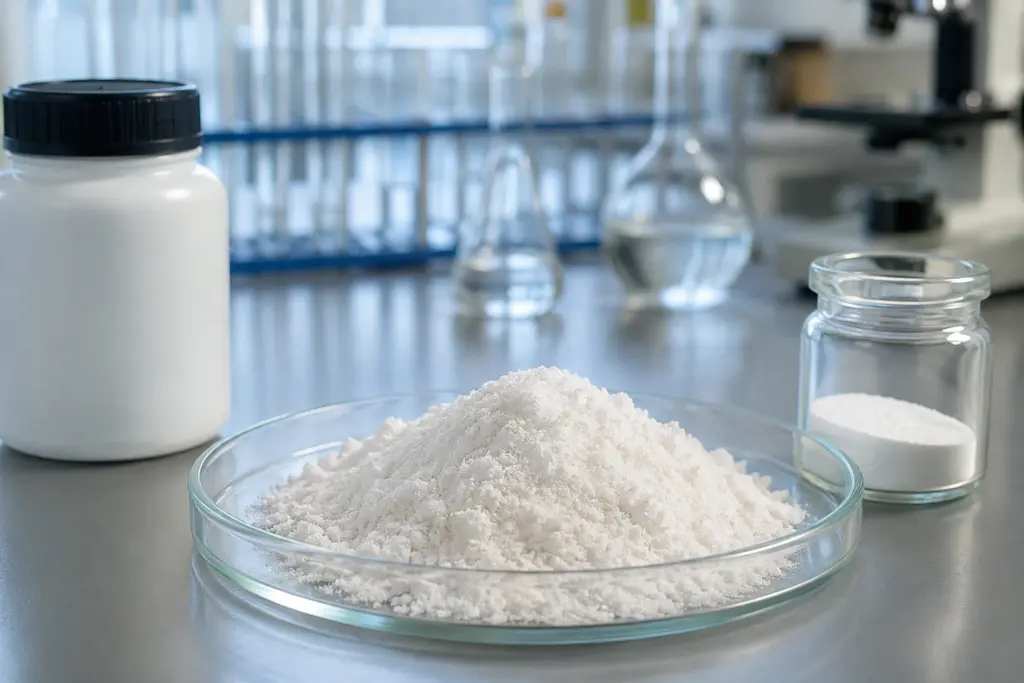
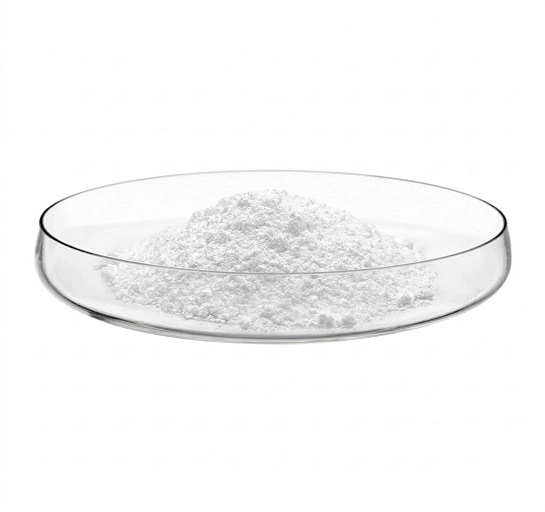
Sulfadimidine powder is generally supplied as a white or yellowish crystalline powder. SPS Chemical lists Sulfadimidine with alias SM2, CAS No. 57-68-1, and an assay range of 99.0%–101.0%.
Assay is usually one of the first items checked by a quality team. Appearance is checked too, often at the sample stage and again when bulk material arrives. Heavy caking, damaged labels, unusual discoloration, or poor sealing may not automatically mean rejection, but they can trigger extra inspection.
COA Items Buyers Should Not Skip
For Sulfadimidine powder, buyers commonly review assay, melting point, acidity, heavy metals, loss on drying, residue on ignition, and clarity or color of solution.
A practical purchasing check may include:
| Buyer checks | Procurement reason |
| CAS No. 57-68-1 | Confirms Sulfadimidine, sulfamethazine, and SM2 refer to the required material |
| Assay 99.0%–101.0% | Helps QC compare the batch with internal requirements |
| Batch COA | Links test results to the actual shipment lot |
| 25kg drum packing | Matches common bulk handling and warehouse receiving |
| Dry, light-protected storage | Helps importers manage stock before resale or production |
Latest batch documents should be confirmed before bulk ordering, since COA results may vary by production lot.
Packaging and Storage for Export Supply
Drum Packing and Label Clarity
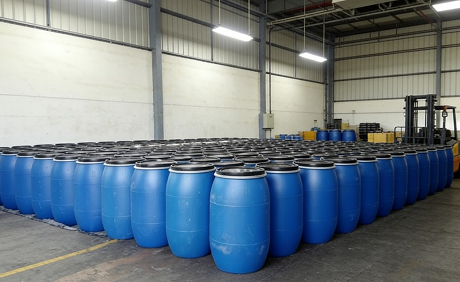
Sulfadimidine powder is commonly supplied in 25kg cardboard drums for bulk orders. This format is familiar for chemical export and practical for warehouse handling.
Packing quality still deserves attention. A drum may move from supplier warehouse to forwarder, port area, customs, importer warehouse, and final factory. During that route, label clarity and seal condition matter. A damaged label does not always mean the material is damaged, but it can delay receiving inspection.
In a warehouse with many similar raw materials, a clear label helps match the drum with the COA and packing list.
Storage Notes for Distributors and Importers
For Sulfadimidine powder, sealed storage, protection from light, and dry warehouse conditions are important. These notes are useful not only for manufacturers but also for distributors that may hold stock before resale.
Storage instructions should appear in product information or technical documents. When downstream customers ask how the product should be stored, the supplier should have a clear answer rather than a general reply.
When Sulfadimidine Sodium Comes Up in an Inquiry
The Question Usually Starts with Solubility
Sulfadimidine Sodium is not something that should be casually added to a Sulfadimidine powder quotation. It usually comes up when the buyer adds one more detail to the inquiry: the material needs to work better in a water-based formulation.
That changes the discussion.
Standard Sulfadimidine powder may be suitable for many raw material purchasing needs, but some veterinary formulation projects need a more soluble form. In that case, Sulfadimidine Sodium, also known as SM2-Na, may be reviewed by the buyer’s technical team. SPS Chemical lists Sulfadimidine Sodium separately from Sulfadimidine powder, with its own CAS number, product form, and specification details.
This distinction helps avoid a common sourcing mistake. A buyer may ask for “Sulfadimidine” at the inquiry stage, while the actual project file requires the sodium salt form. If nobody checks this early, the sample may be wrong even when the price looks right.
The Sodium Salt Should Be Quoted as Its Own Product
For purchasing records, Sulfadimidine and Sulfadimidine Sodium should stay separate. The product name, CAS number, COA, label, and invoice should all match the material being shipped.
This is especially important for distributors. A wrong or unclear product name can create questions from the final customer, even before the material is tested. For manufacturers, the issue is more technical: solubility behavior may affect formulation review.
SPS Chemical can discuss both Sulfadimidine powder and Sulfadimidine Sodium based on the buyer’s required product form, sample request, packing needs, and bulk order plan.
Evaluating Sulfadimidine Manufacturers
Document Readiness and Response Quality
When comparing Sulfadimidine manufacturers, price is only one part of the decision. Buyers should also review document readiness, product form confirmation, sample availability, packing clarity, and lead time.
A supplier that answers basic questions clearly at the inquiry stage often saves time later. For repeat orders, this matters even more. The first order may be driven by price; the second one usually depends on fewer corrections.
Warning Signs in Low-Price Offers
A low price should be checked carefully if the supplier cannot confirm product form, CAS number, assay range, packing details, or recent COA availability. Vague product names and slow technical replies are not good signs.
In bulk raw material sourcing, cheap offers can still be useful. But a quotation without clear documents may create extra work for purchasing, QC, and logistics teams.
How SPS Chemical Handles Sulfadimidine Inquiries
Product Options for Different Purchasing Needs
SPS Chemical supplies both Sulfadimidine powder and Sulfadimidine Sodium for B2B customers. This helps buyers compare standard powder supply with solubility-driven product requirements through one contact point.
For manufacturers, importers, and distributors, this reduces early-stage checking when both product form and documents need confirmation.
Order Communication Before Shipment
Henan Springsea Chemical Products Co.,Ltd. works with B2B customers across several chemical raw material categories. For Sulfadimidine-related inquiries, SPS Chemical can confirm current specifications, available COA, sample status, standard packing, and price with lead time for bulk orders.
Conclusion
Sulfadimidine powder is easy to ask about, but not always easy to purchase correctly. The buyer still has to check the name on the COA, the CAS number, the assay range, the drum packing, and whether the order is for standard Sulfadimidine or Sulfadimidine Sodium. These details are where many small delays start.
For veterinary pharmaceutical manufacturers, distributors, importers, and raw material traders, SPS Chemical can help confirm the required product form, provide available batch documents, discuss sample status, and quote bulk Sulfadimidine powder or Sulfadimidine Sodium based on the purchasing plan. Contact SPS Chemical to request current specifications, COA information, packing details, sample availability, or pricing for the next order.
FAQ
Q1: Can SPS Chemical provide a recent COA for Sulfadimidine powder?
A: Yes. SPS Chemical can provide available batch COA, specification, and packing details for Sulfadimidine powder before bulk order confirmation.
Q2: What packaging is available for bulk Sulfadimidine orders?
A: Sulfadimidine powder is commonly supplied in 25kg cardboard drums. Buyers can confirm label, seal, and shipping details before ordering.
Q3: How should buyers choose between Sulfadimidine and Sulfadimidine Sodium?
A: Sulfadimidine powder suits standard raw material needs, while Sulfadimidine Sodium is often considered when better water solubility is required.
Q4: Can SPS Chemical provide samples before a bulk Sulfadimidine order?
A: Sample availability can be discussed based on stock, destination, and buyer requirements. SPS Chemical can confirm details during inquiry handling.
Q5: What should buyers check when comparing Sulfadimidine manufacturers?
A: Check CAS number, assay, recent COA, packing, lead time, sample status, and whether the supplier can handle repeat orders.