
Feed mills usually notice summer trouble through customer feedback, not weather charts.
A broiler customer says the feed is not holding FCR as well as last month. A layer farm reports lower intake during a hot week. An aquafeed buyer says shrimp are slower to take pellets, and more feed is staying in the pond. None of this proves the formula is wrong. Still, it pushes the formula back onto the table.
That is where betaine anhydrous often gets reviewed. In poultry and aquafeed, it is used around osmotic pressure, methyl metabolism, palatability, and feeding response. Those areas become more sensitive when heat, salinity changes, or intake problems start affecting performance.
For buyers checking Betaine Anhydrous 98%, SPS Chemical provides the usual pre-order materials: sample, COA, specification sheet, and quotation details.
Heat Stress Usually Shows Up as Feed Cost
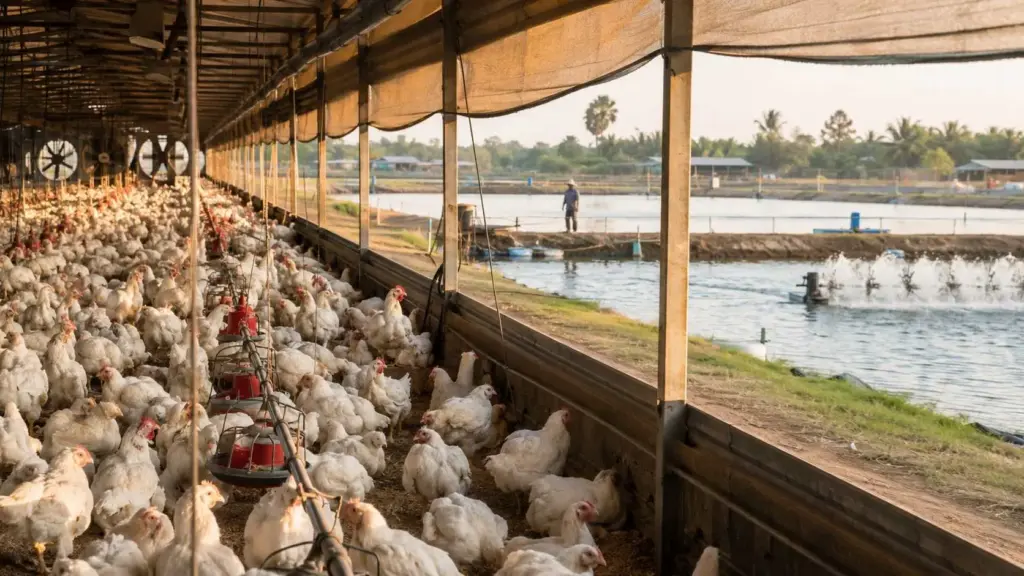
Poultry feed intake and FCR pressure
Hot weather rarely affects only one number. In broilers, feed intake may drop first. Then body weight gain slows. FCR becomes less comfortable. In layers, intake and egg production may become uneven, especially during long hot periods when birds do not recover well overnight.
A feed formula cannot fix poor ventilation, dirty water lines, or overcrowding. That part belongs to farm management. But feed still has work to do. Summer formulas are often checked more carefully for amino acids, electrolytes, energy density, minerals, and functional additives that help birds handle stress more steadily.
Betaine anhydrous fits this space because it helps animals manage osmotic pressure. In simple terms, it relates to water-balance stress at the cellular level. That may sound small, but during heat stress, small physiological pressures often become real production costs.
Aquafeed for fish and shrimp: slow feeding means waste
Aquaculture has a different version of the same problem. Warm water, lower dissolved oxygen, salinity changes, and stocking pressure all affect feeding behavior. Fish and shrimp may still eat, but slower. That delay matters.
Uneaten feed does not just waste money. It breaks down in water and makes pond or tank management harder. For shrimp farms, this becomes a real headache because feed response and water quality stay closely linked.
This is one reason aquafeed producers look at betaine anhydrous. It is used for feed attraction and osmoregulation, especially in formulas where plant proteins are higher. Plant-based raw materials help control cost, but they may change smell, taste, and acceptance. The feed may look well designed on paper and still need help in the water.
Where Betaine Anhydrous Fits in the Formula Review
Osmotic pressure is the main technical reason
Betaine is an organic osmolyte. For feed buyers, the practical point is simple: it helps cells deal with osmotic pressure. That is why it appears in poultry formulas during heat stress and in aquatic diets under variable water conditions.
The ingredient does not work alone. It sits inside a formula that also includes amino acids, minerals, energy sources, vitamins, attractants, and sometimes other functional additives. Its value depends on the animal, the diet, and the production problem being addressed.
Methyl donation needs formula discipline
Betaine also works as a methyl donor, which links it with methionine, choline, and nutrient metabolism. This is useful, but it needs proper formula review.
A buyer may ask whether betaine replaces part of choline chloride or methionine. The honest answer is: only after checking the full nutrient matrix. A direct swap without review may create a new imbalance.
Before commercial use, most feed businesses look at a few practical points:
| What the buyer checks | Why it matters in production |
| Species and growth stage | Broilers, layers, shrimp, and fish have different targets |
| Heat or salinity pressure | Stress level changes the value of osmotic support |
| Methionine and choline status | Betaine connects with methyl metabolism |
| Feed cost per ton | The additive has to make commercial sense |
| Trial feedback | Intake, FCR, and feed waste tell the real story |
A small inclusion change may become a plant issue if the material is hard to handle. Caking, weak packaging, or a COA that does not match the batch number can slow receiving and QC approval.
Poultry Use: Broiler FCR, Layer Intake, and Summer Stability
Broiler producers care about FCR because feed cost is usually the largest part of the production bill. During hot months, birds eat less while spending more energy coping with heat. The diet may not have changed, but the farm environment has.
Betaine anhydrous is often reviewed in broiler feed where the target is steadier feed conversion under heat pressure. It belongs in the same discussion as clean water access, electrolyte balance, amino acid levels, feeding schedule, and house cooling.
For feed mills, repeat orders make consistency important. A customer may order the same summer broiler feed several times. If one batch runs smoothly and another batch creates handling or quality complaints, the feed mill has to explain it. Sometimes the issue is not the formula. Sometimes it is a raw material that behaved differently.
Layer diets need steady intake
Layers are less forgiving during long hot periods. Lower intake may affect egg output, shell consistency, and flock uniformity. Farms usually adjust water systems, feeding time, calcium intake, ventilation, and mineral balance before making bigger formula changes.
Betaine anhydrous has a place in layer formulas when the goal is steadier intake and production during heat pressure. It still needs balance with methionine, choline, calcium, phosphorus, and electrolytes.
Aquafeed Use: Fish, Shrimp, Palatability, and Feed Waste
A fish or shrimp formula can look excellent in a spreadsheet. The animal still has to eat it.
In aquafeed, palatability is not a soft benefit. It affects feed intake, waste, water quality, and customer confidence. When pellets stay too long in the pond, farmers notice quickly.
Betaine anhydrous is used in fish and shrimp feed to improve feeding response and palatability. In shrimp feed, faster acceptance helps reduce leftovers. In fish diets, it is useful when plant protein affects intake.
Species still decide the final answer
A shrimp formula, tilapia feed, and marine fish diet should not be treated as the same project. Same additive, different job. Most serious buyers want sample testing or a small trial before scaling up.
This is common in aquafeed sourcing. The specification sheet starts the discussion, but the farm result decides whether the ingredient stays in the formula.
What Buyers Should Check Before a Bulk Order
Buyers comparing betaine anhydrous suppliers usually start with price, then move quickly to COA, samples, packaging, and batch consistency. A low quote is useful only if the material passes inspection, stores well, and arrives again without confusion.
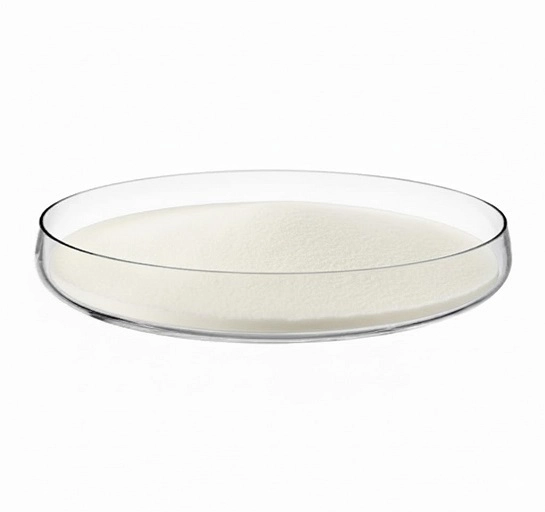
SPS Chemical supplies Betaine Anhydrous 98% as a white crystalline powder with assay ≥98%. For feed-related orders, buyers usually focus on COA, moisture, heavy metals, microbiology, TMA, density, packaging, and batch information.
Many importers will not approve a container order until the sample, COA, label, and batch information have been checked together. That is normal. It protects the buyer and the downstream customer.
Documents and handling details matter
Before a bulk order, buyers commonly ask for:
- current specification sheet;
- COA for the available batch;
- sample for lab or trial use;
- MSDS and export documents;
- packaging and label information;
- lead time and shipment plan.
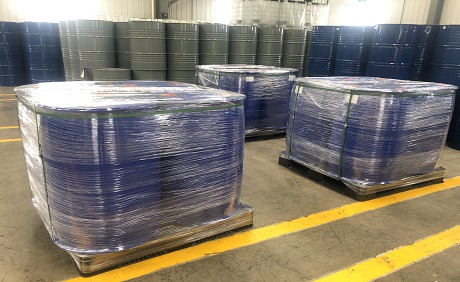
SPS Chemical lists 25 kg packaging for Betaine Anhydrous 98%. Storage needs to stay sealed, cool, dry, and away from light. In humid warehouses, powder condition matters. Material that cakes easily slows weighing, mixing, or repacking. It sounds like a small problem until production is waiting.
Buying Betaine Anhydrous 98% from SPS Chemical
For most feed additive buyers, the supplier check is not complicated, but it has to be clean. A sample should match the specification. The COA should match the batch. Packaging needs to be suitable for warehouse handling, not just good enough for a product photo.
SPS Chemical, operated by Henan Springsea Chemical Products Co.,Ltd., supplies Betaine Anhydrous 98% for buyers working on poultry feed, aquafeed, premix, and distribution projects. The product is positioned for B2B sourcing where documents, sample review, quotation timing, and repeat supply all matter.
When a customer is evaluating betaine anhydrous suppliers, the capacity is likely to be their very first question. Then, the conversation will become rather practical – batch availability, lead time, certificate of analysis, packaging, samples delivery, and whether the next purchase can be made according to the same standards.
SPS Chemical supports that pre-order flow with sample review, COA confirmation, and bulk quotation discussion before order confirmation.
Conclusion
When a summer feed formula is under review, buyers usually need quick answers: sample availability, COA, current specification, packing, and whether bulk supply can match the production schedule. Betaine anhydrous belongs in that review when FCR, intake, palatability, or osmotic pressure is already affecting feed value.
For Betaine Anhydrous 98% inquiries, send SPS Chemical the application, estimated quantity, destination port, and required documents. The team can follow up with sample options, COA, specification details, packing information, and bulk quotation.
FAQ
Q1: When do poultry feed buyers usually consider Betaine Anhydrous 98%?
A: Usually during hot seasons, when intake, FCR, and osmotic pressure become harder to manage.
Q2: Does fish feed and shrimp feed use the same approach?
A: No. Fish and shrimp formulas need separate checks, even when the same additive is used.
Q3: What documents are needed before placing a bulk order?
A: COA, specification sheet, MSDS, batch details, packaging information, and sample availability are commonly requested.
Q4: Can it replace choline chloride or methionine directly?
A: No. Any replacement needs review against the full nutrient matrix by a feed nutritionist.
Q5: Does SPS Chemical support sample testing before purchase?
A: SPS Chemical can provide samples, COA, specifications, and quotation details for Betaine Anhydrous 98% orders.