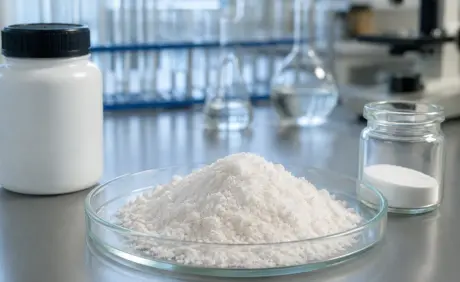

Hair care formulators keep looking for ingredients that bring solid hydration without heavy residue or buildup in the end product. D-panthenol works as one steady option here. It also goes by provitamin B5 and turns into pantothenic acid once it reaches the hair. This supports better moisture hold and smoother feel overall. For cosmetic manufacturers and OEM buyers building shampoos, conditioners or leave-in items, this cosmetic raw material gives steady results across different lines.
SPS Chemical, from Henan Springsea Chemical Products Co.,Ltd. supplies high-purity D-panthenol made for cosmetic use. The company focuses on steady quality and wider delivery reach. SPS Chemical helps B2B partners who want dependable bulk amounts for their hair care ranges. The material meets common specs so teams can keep performance on track from one batch to the next.
What is D-Panthenol?
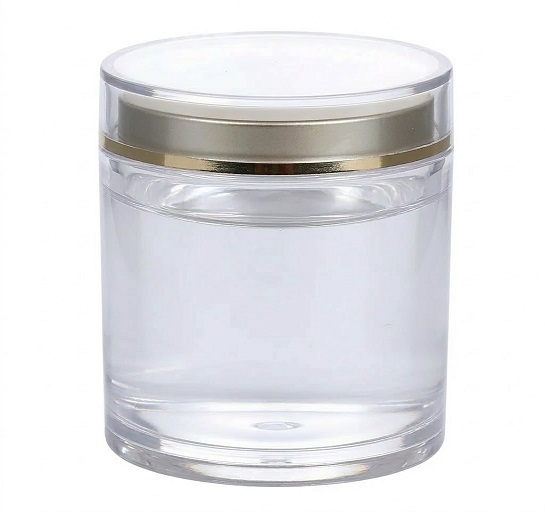
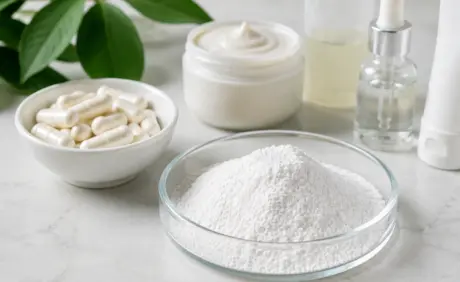
D-panthenol comes as a clear or light yellow thick liquid. Its formula is C9H19NO4 with CAS number 81-13-0. Put simply, it is the alcohol version of pantothenic acid, known as vitamin B5. After application it goes into the hair and changes form to give direct effects. This conversion happens naturally on the skin and hair surface, which makes it gentle yet useful in many formulas.
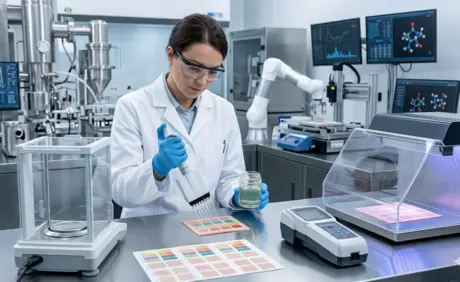
People in formulation often separate feed grade from cosmetic grade. Cosmetic work needs higher purity, usually 98% to 102% on dry basis, plus tight checks on water, ignition residue and microbes. SPS Chemical material passes these points with low aminopropanol and clear test results.
Role in Hair Care
D-panthenol appears in many items from regular shampoos to deeper repair masks. It binds water inside the hair fiber. Dry hair care sees good results since strands lose water and turn brittle. The ingredient brings back some flexibility so formulators can handle complaints about dull look or knots after repeated washing or styling.
Picture a regular salon day. A client brings color-treated hair that feels rough after one wash. Put D-panthenol into the conditioner and the texture shifts. It does not just sit on top. It moves deeper into the cortex and holds internal moisture longer, even in leave-in products. This penetration helps the hair shaft act like a better sponge for water molecules while improving overall elasticity. In hot and humid places like parts of Asia or during winter heating seasons in colder regions, this moisture retention makes a visible difference in how hair holds style without frizz.
Industry teams have seen that regular use in rinse-off products still leaves some benefit because a portion stays bound inside the fiber. This makes D-panthenol hair care a practical choice for daily drivers that consumers use every morning.
Moisturizing Benefits in Hair Care Formulations
Hydration and Strengthening
The process works at a small level. D-panthenol pulls in moisture and keeps it there so elasticity gets better. Hair bends easier and breaks less often. Real testing on processed hair shows fewer split ends when used regularly, especially together with mild surfactants and basic oils.
A common case involves heat-styled hair. Formulas at 1-2% D-panthenol often give smoother combing and less flyaway after several washes. This deeper action also eases small damage from tools and leaves the cuticle flatter for light reflection. Hair that looks damaged from bleaching or perming often regains a healthier appearance because the provitamin B5 fills in gaps along the shaft. Formulators notice that combining it with light silicones or plant oils creates balanced products that do not feel greasy yet deliver lasting softness through the day.
Scalp Conditioning
The scalp needs attention too. D-panthenol helps balance water there and eases dry spots that cause flakes or tight feelings. Teams working on sensitive lines like its calm profile. It mixes with other cosmetic raw materials such as gentle betaines or plant extracts and keeps emulsion steady.
Improved Hair Appearance
People see shine and soft touch after short use. The ingredient covers lightly but acts inside so strands look healthier and move with less static. Manageability rises because hairs slide past each other. Dry areas or textured hair show these changes more clearly.
Incorporating D-Panthenol in Hair Care Products
Formulation Guidelines
Use levels change by item. Shampoos often sit at 0.5-2%. Conditioners and masks take 1-5% for stronger conditioning. Serums or sprays may reach 3% based on final texture.
It mixes well with most emulsions. Common partners include silicones, fatty alcohols and cationic agents. Keep pH around 4.5-6.5 like many hair products. Small batch tests catch any issues fast.
Stability and Quality
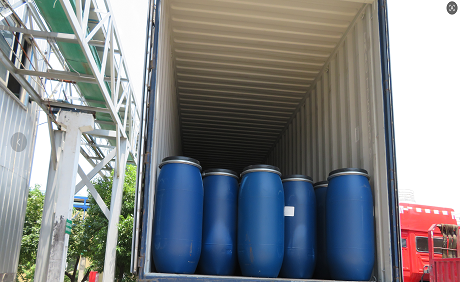
Clean material from a steady D-panthenol manufacturer such as SPS Chemical cuts down problems. Batch consistency helps when moving from lab scale to factory runs. Keep drums closed in cool dry spots away from strong light. Basic handling like steady temperatures during transport protects the material.
B2B Advantages of Partnering with SPS Chemical
Hair care brands and contract makers need suppliers that do more than ship product. SPS Chemical offers supply lines for both test quantities and full orders. Their team shares notes from past projects so partners can adjust textures or fit local rules in different markets. Global shipping support makes it easier for OEM buyers in Europe, North America or Southeast Asia to plan inventory without long lead times.
Buyers like the balance of cost and quality. Whether starting a new dry hair care line or updating old ones, steady D-panthenol supply avoids extra re-tests. SPS Chemical acts as an ongoing partner instead of single transaction. Technical discussions often cover custom concentrations or blending suggestions that save development time. Many B2B clients mention that consistent purity across shipments helps maintain the same consumer experience across production batches, which protects brand reputation.
Conclusion
The D-panthenol is still the best choice when it comes to choosing ingredients for consumer hair care. This ingredient provides moisture, strength, and shine, which can be easily mixed into any formula. SPS Chemical, from Henan Springsea Chemical Products Co., Ltd., provides high-quality ingredients along with reliable technical assistance to help make projects easy for the producer. This ingredient continues to prove its worth as companies look towards gentler solutions.
Contact SPS Chemical today to get samples or discuss bulk supply for your next hair care formulation and see the difference it can make for your line.
FAQ
Q1: What is the recommended concentration of D-panthenol in hair care formulations?
A: Typically 0.5–5% depending on product type, with conditioners and treatments often using higher levels for richer conditioning effects.
Q2: Can D-panthenol be used in all hair types?
A: Yes, it works well across dry, damaged, normal, and even fine hair without adding unwanted weight when properly formulated.
Q3: How does D-panthenol improve hair moisture?
A: It penetrates the hair shaft as provitamin B5 and helps attract and hold water molecules, boosting internal hydration and elasticity.
Q4: Is SPS Chemical a reliable D-panthenol supplier?
A: Yes, SPS Chemical through Henan Springsea Chemical Products Co.,Ltd. maintains high purity standards and batch consistency for cosmetic use.
Q5: Can D-panthenol be combined with other cosmetic raw materials?
A: Yes, it shows good compatibility with emulsions, oils, silicones, and most common ingredients used in hair care formulations.