
A low D-Panthenol quote can look attractive until a cosmetic project reaches technical review. The price may be clear, while the assay basis, secondary limits, application context, or packing assumptions are not. If those points surface late, procurement may have to revisit a shortlist that already looked settled.
For cosmetic raw-material buyers, that is the real sourcing risk. D-Panthenol, also known as Provitamin B5, is widely used in skin care, hair care, and other cosmetic formulations. The commercial decision becomes easier when the product requirement is defined before supplier prices are treated as directly comparable.

Why D-Panthenol 98% Is Not the Whole Purchasing Specification
“D-Panthenol 98%” is a strong starting point for an inquiry, but it does not fully define what procurement is buying. A buyer still needs to know the supplied form, the assay basis, and whether the quality limits that matter internally are covered. These points are especially relevant in cosmetic sourcing, where a raw material may pass an initial price screen but still need a closer QC review before approval.
The Assay Range Needs a Clear Basis
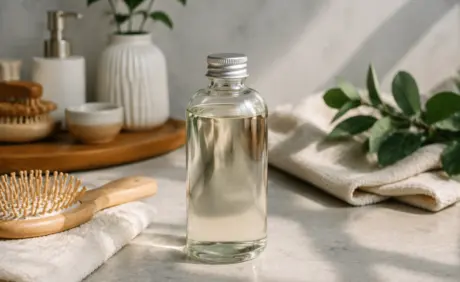
The D-Panthenol available from SPS Chemical is a colorless to slightly yellow viscous liquid with an HPLC assay of 98.0–102.0% on a dry basis.
That gives buyers a defined reference. Another offer described only as “D Panthenol 98%” may still be suitable, but the wording does not confirm the same assay range or test basis. Until those details match, a lower price is not yet a like-for-like saving.
Secondary Limits Matter When They Affect Approval
The most relevant secondary limits are the ones tied to the buyer’s own purchase specification. For this product, water content is ≤1.0%, aminopropanol is ≤1.0%, residue on ignition is ≤0.1%, and refractive index is 1.495–1.502.
There is little value in repeating these figures outside a purchasing context. Their role is to help QC decide whether an offered grade fits the material already approved for the project. If an internal limit differs, that gap belongs in the supplier discussion before commercial terms are finalized.
What Cosmetic Buyers Need to Confirm Before Technical Approval
Cosmetic sourcing adds a second layer to the comparison: the raw material has to fit the formulation project as well as the headline purity. A skin-care or hair-care buyer may begin with the same product name, yet the internal review can focus on different acceptance criteria. Giving the supplier the application context early makes technical questions more specific and keeps the inquiry from drifting around a generic “standard grade.”
Link the Raw Material to the Actual Formulation Project
In cosmetic applications, D-Panthenol is used in skin care, hair care, and other formulations where moisturizing, repairing, and soothing properties are relevant. For purchasing teams, the application matters because it gives context to the specification being reviewed.
A hair-care project, for example, may already have an internal raw-material specification tied to an approved formula. In that situation, the buyer is not looking for the longest possible product description; the priority is whether the offered D-Panthenol matches the requirement already in use.
Buyers focused on formulation performance can refer to SPS Chemical’s article on D-Panthenol in moisturizing hair-care formulations.
Microbiological Criteria Belong in the Same Approval Discussion
Microbiological limits can also form part of the technical review. For this grade, total plate count is below 100 CFU/g, mold and yeast are below 10 CFU/g, and E. coli is negative.
These values are most useful when compared with the buyer’s own acceptance criteria. They do not replace the internal specification, and they do not need to become a separate checklist if the project does not treat them as differentiating factors.
Outside cosmetic projects, D-Panthenol also has pharmaceutical and food applications. Those inquiries can carry different internal requirements, so they are better reviewed against their own project criteria rather than assuming a cosmetic purchasing specification transfers unchanged.
Where D-Panthenol Supplier Quotes Usually Become Hard to Compare
Quotation problems often come from assumptions rather than obvious technical failures. One supplier may quote against a clearly defined grade, while another works from a short inquiry with several details still open. A price can also be based on a different packing or destination assumption. Before procurement ranks D-Panthenol suppliers on commercial terms, the points that can materially change the offer need to be on the same basis.
Missing Detail Can Distort the Price Comparison
A short quote is not necessarily a weak quote. Ambiguity is the bigger problem.
If one supplier confirms the assay basis, relevant quality limits, and packing while another gives only product name and price, the second offer may still be competitive. Procurement simply needs the missing information before treating both offers as technically equivalent.
This is where a well-structured inquiry saves time: it closes the few details that can change approval or price without turning the first email into a full technical dossier.
Packing and Destination Affect the Commercial Basis
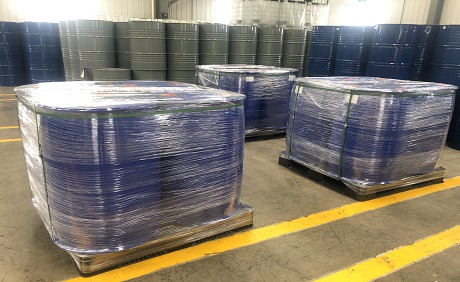
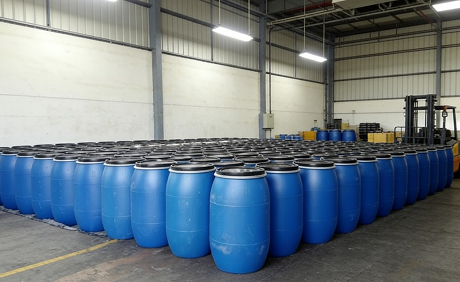
For bulk planning, the product is packed in 25 kg drums and kept sealed in a cool, dry place protected from light.
For a bulk D-Panthenol order, packing and destination belong in the commercial comparison. If one quote is built around a different packing assumption or delivery basis, the headline prices are not directly comparable. Any alternative packing request needs to be discussed rather than assumed.
How to Compare D-Panthenol Suppliers and Manufacturers
A sourcing shortlist can include manufacturers, exporters, distributors, and specialty-chemical suppliers. The company label alone does not tell an overseas buyer whether the offer fits a cosmetic project. A stronger comparison looks at whether each source can work from the same technical requirement, answer relevant questions clearly, coordinate packing and destination details, and keep the commercial discussion tied to the material being approved.
Technical Fit Comes Before Company Type
A D Panthenol supplier or D Panthenol manufacturer becomes easier to evaluate when the product requirement is already clear. If form, assay basis, secondary limits, or packing are still unresolved, comparing company capability is premature.
This order also protects the price comparison. A supplier that appears cheaper because it is quoting against a different technical assumption has not yet demonstrated a commercial advantage.
Supply Support Matters as the Inquiry Develops
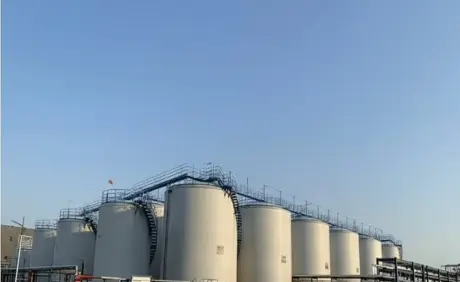
Henan Springsea Chemical Products Co., Ltd. has manufacturing experience in surfactants and has expanded into specialty-chemical distribution and broader chemical sourcing support.
For D-Panthenol, the relevant value is keeping specification matching, technical communication, packing requirements, and commercial discussion connected as the inquiry moves forward.
From a Qualified D-Panthenol Grade to a Bulk Order
A bulk quotation becomes more useful when the technical requirement and the commercial request are already connected. This does not require a long inquiry. It requires enough information for the supplier to understand which D-Panthenol grade is being requested, where it is going, how it needs to be packed, and which buyer-specific criteria could affect approval.
Keep the Same Basis Through Final Quotation
Late changes to assay basis, quality limits, application requirements, or packing can make an earlier price comparison obsolete. Keeping those points stable gives procurement and QC a cleaner basis for final supplier review.
The same principle matters when an approved cosmetic raw material moves from technical review into purchasing: the grade being priced needs to remain the grade that passed the internal review.
Send the Details That Make a Bulk Quote Actionable
A practical inquiry normally includes:
- required quantity;
- destination country or port;
- target D-Panthenol specification;
- intended application or industry;
- packing requirement; and
- buyer-specific quality criteria.
SPS Chemical provides sourcing assistance and product consultation. Where an internal purchase specification is available, including it with the inquiry gives both sides a direct technical reference and reduces unnecessary back-and-forth before a final commercial offer.
Conclusion
For cosmetic raw-material buyers, D-Panthenol sourcing is not difficult because the product name is unfamiliar. The difficulty comes when a 98% headline, project requirements, and commercial assumptions are treated as if they mean the same thing across every quotation.
A more reliable comparison keeps the cosmetic application in view, confirms the 98.0–102.0% grade against the buyer’s own specification, and then evaluates supplier capability and bulk terms on the same basis.
Buyers can contact SPS Chemical with quantity, destination, target specification, and project requirements to discuss D-Panthenol supply.
FAQ
Q1: Why can D-Panthenol 98% prices vary between suppliers?
A: Quotations may use different assay bases, quality limits, packing assumptions, destinations, or project requirements. Prices become directly comparable only when the main technical and commercial conditions match.
Q2: Is D-Panthenol the same as Provitamin B5?
A: D-Panthenol is commonly identified as Provitamin B5. For purchasing, the name alone does not define the grade; product form, assay basis, and relevant quality criteria still need to fit the project.
Q3: What matters when comparing a D Panthenol supplier or manufacturer?
A: Start with technical fit. The offered form, assay basis, relevant secondary limits, packing, and buyer specification need to align before supplier capability and price can be compared fairly.
Q4: What information is needed for a bulk D-Panthenol quotation?
A: Quantity, destination, target specification, intended application, packing requirement, and buyer-specific quality criteria give the supplier a workable basis for quotation.