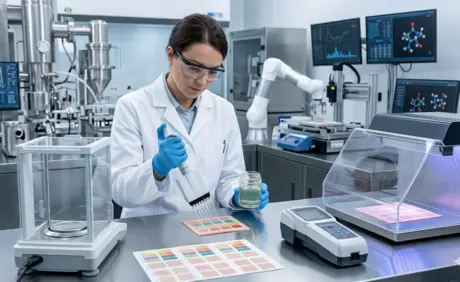

In detergent, textile, and industrial cleaning formulas, how a surfactant handles water and oil together often determines results. A ready-to-use cleaner might appear basic. However, its mix typically demands a precise blend of solubility, emulsification, wetting, foam traits, storage steadiness, and cleaning ability.
Fatty Alcohol Ethoxylate 7 goes by names like AEO 7, LAE 7, or Laureth 7. It finds common use in these areas. As a nonionic surfactant, it enables water-based mixtures to deal with oily dirt, thick grease, stubborn waxes, and various water-repelling substances in a better way. This ingredient influences the clear look of the product. It boosts cleaning toughness. It speeds up production steps. And it maintains reliability over time.
SPS Chemical, the brand of Henan Springsea Chemical Products Co.,Ltd., supplies Fatty Alcohol Ethoxylate 7 for cleaning, textile, detergent, and industrial chemical applications.
What Is Fatty Alcohol Ethoxylate 7?
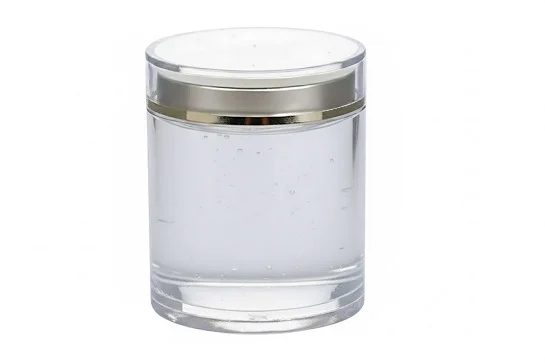
Fatty Alcohol Ethoxylate 7 is an alcohol ethoxylate made by reacting fatty alcohol with ethylene oxide. The number “7” refers to the average number of ethylene oxide units in the molecule. This structure gives AEO 7 a useful balance between oil affinity and water affinity.
In practical formulation work, one part of the molecule interacts with oils, waxes, and grease, while the other part interacts with water. This allows AEO 7 to help break oily materials into smaller droplets and keep them dispersed in water-based systems.
Familiar item labels consist of Fatty Alcohol Ethoxylate 7, AEO 7, LAE 7, Laureth 7, and Alcohol Ethoxylate 7. In various markets, this item chiefly stands as a fatty alcohol ethoxylate, nonionic surfactant, and emulsifier for cleaning, textile, and industrial chemical systems.
SPS Chemical AEO 7 Product Profile
SPS Chemical supplies Fatty Alcohol Ethoxylate 7 as a surfactant raw material with solubility, emulsification, dispersion, diffusion, and cleaning performance. These properties make it suitable for many water-based and mixed surfactant formulations.
| Item | Typical Product Information |
| Product name | Fatty Alcohol Ethoxylate 7 |
| Common names | AEO 7, LAE 7, Laureth 7 |
| CAS No. | 68439-50-9 |
| Product type | Nonionic surfactant |
| Appearance | Liquid or paste |
| Active content | ≥99.5% |
| Main functions | Solubility, emulsification, dispersion, detergency |
This information is important for detergent manufacturers, textile chemical producers, industrial cleaner brands, and distributors that need stable quality across repeat orders. In bulk chemical purchasing, consistency is often as important as performance itself.
AEO 7 Solubility in Water-Based Formulas
Solubility is one of the main reasons AEO 7 is used in practical formulations. A surfactant may have strong cleaning power, but if it cannot blend well into the system, it can cause cloudiness, phase separation, or uneven performance in the finished product.
Fatty Alcohol Ethoxylate 7 offers decent water solubility alongside alcohol ethoxylates with reduced EO counts. The ethylene oxide strand lends the molecule firmer water-drawing habits. This assists its solid performance in water-based detergents, textile aids, and industrial cleaning setups.
Good solubility can support:
- Easier dilution in water-based systems
- Better clarity in some liquid formulas
- More even distribution of active ingredients
- Lower risk of separation during storage
- Smoother mixing with anionic and other nonionic surfactants
In textile applications, solubility affects how evenly the surfactant reaches fabric surfaces. Poor dispersion may lead to uneven wetting, weak washing, or residue problems. In industrial degreasers, good solubility helps the cleaner spread across oily surfaces instead of sitting unevenly on top.
One common production issue is low-temperature cloudiness. A recipe could seem clear at usual room heat. But it might turn cloudy following storage in a cooler warehouse. Such an occurrence does not forever signal recipe breakdown. Even so, it underscores the call for solubility trials under true storage and moving scenarios.
How AEO 7 Works as a Nonionic Emulsifier
Emulsification is the ability to help oil and water mix in a more stable way. Fatty Alcohol Ethoxylate 7 shows clear value in this area. It aids in spreading oily soils, waxes, lubricants, and grease through water. Thus, removal happens with greater ease.
AEO 7 sits in a useful middle range. It is not too oil-loving and not too water-loving for many cleaning systems. This balance helps it perform as an industrial emulsifier while still staying suitable for water-based products.
Its emulsification benefits include:
- Better dispersion of oil and grease
- Improved cleaning of hydrophobic soil
- Support for oil-in-water systems
- Better wetting on hard surfaces and textile fibers
- Compatibility with mixed surfactant blends
This is why AEO 7 often appears in formulations where cleaning and emulsification must happen at the same time. It does not only help ingredients mix. It supports the actual removal of oils from surfaces.
Main Applications of Fatty Alcohol Ethoxylate 7
Fatty Alcohol Ethoxylate 7 is not limited to one narrow product group. AEO 7 can be used in light-duty cleaning formulas, stronger degreasing systems, textile washing products, and specialty emulsifier blends.
| Application Area | How AEO 7 Helps |
| Liquid detergents | Supports grease removal, detergency, and surfactant balance |
| Hard surface cleaners | Helps lift oily soil from floors, tiles, equipment, and work areas |
| Textile auxiliaries | Supports wetting, scouring, washing, and oil removal |
| Industrial degreasers | Helps disperse heavy oils and processing residues |
| Emulsion systems | Works as a nonionic emulsifier in oil-water systems |
In detergent systems, AEO 7 helps improve oil removal and cleaning strength. It combines with anionic surfactants to steady foam, soaking, and cleaning action. Many liquid detergent recipes rely on anionic surfactants for foam and basic cleaning force, while AEO 7 supports grease handling and oily soil removal.
In textile processing, fibers may carry oils, waxes, spinning lubricants, and other residues. These materials can affect dyeing, finishing, and fabric feel. AEO 7 can support wetting and emulsification during washing or scouring steps.
Industrial cleaners often deal with heavier soils than household cleaners. Metalworking oils, machinery grease, process oils, and workshop dirt can be stubborn. AEO 7 helps move these oily materials into the water phase so they can be rinsed off more easily.
Technical, Quality, and Safety Notes
For B2B buyers, product performance should be checked together with technical documentation and batch consistency. Fatty Alcohol Ethoxylate 7 used in detergent, textile, and industrial cleaning formulas should be evaluated through product specifications, safety data, and small-batch formulation testing before large-scale production.
Important checks may include:
- Active content
- Appearance
- pH value
- Water solubility
- Clarity after storage
- Low-temperature stability
- Compatibility with anionic surfactants
- Foam behavior
- Viscosity change
A small lab sample can look stable on day one but become cloudy after one week at low temperature. The material may still be suitable. But the recipe might call for tweaks, like shifting surfactant shares, adding a suitable solvent, or altering the blend steps.
SPS Chemical backs bulk purchasing with spec breakdowns, pack facts, and application for Fatty Alcohol Ethoxylate 7. For factory needs, shoppers can ask for linked tech files like TDS, SDS, COA, spec pages, or lot quality notes based on project wants.
Responsible Use and ESG Considerations
In modern cleaning and textile chemical supply chains, performance is not the only concern. Safer handling, proper storage, controlled dosage, and responsible wastewater management are also part of product selection.
Fatty Alcohol Ethoxylate 7 fits water-based cleaning setups needing good oil lifting and steady surfactant handling. For careful putting to work, recipe builders should look over SDS facts, area release rules, storage setups, and advised dealing ways. This matters most for textile works, industrial cleaning spots, and detergent builders under client reviews or eco-handling rules.
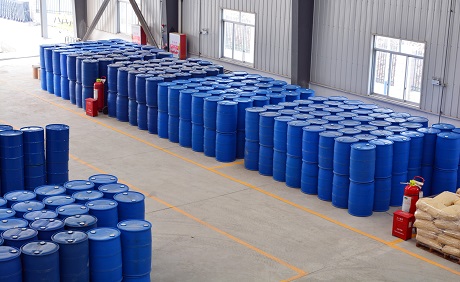
Large packaging options may also help reduce packaging waste per unit of material in bulk purchasing. Drum and IBC packing backs large surfactant flow and cuts repeated small-pack dealing. Right seals, dry holding, and guard from wild temperatures can trim quality dips in moving and storing.
Why Choose SPS Chemical for Fatty Alcohol Ethoxylate 7?
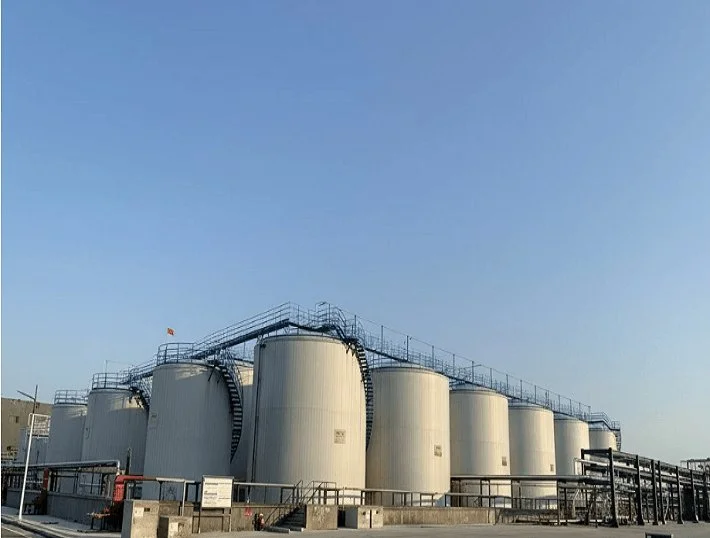
SPS Chemical is the brand of Henan Springsea Chemical Products Co.,Ltd., a chemical supplier focused on surfactants and related raw materials. The company supplies Fatty Alcohol Ethoxylate products for cleaning, home care, personal care, textile, and industrial formulation markets.
For B2B buyers, the supplier decision often goes beyond price. Stable product specifications, clear CAS information, practical packaging options, batch-to-batch consistency, technical documentation, and application communication all matter in real purchasing work.
SPS Chemical AEO 7 suits purchasers hunting a fatty alcohol ethoxylate item that backs solubility, emulsification, dispersion, and cleaning action in sundry recipe sorts. As an AEO 7 seller, SPS Chemical gives item specs, sample reach, packaging notes, wait times, and use backing for detergent, textile, and industrial cleaning recipes.
Conclusion
Fatty Alcohol Ethoxylate 7 acts as a workable nonionic surfactant for recipes requiring steady solubility, firm emulsification, wetting, dispersion, and oil-lifting action. Its even setup renders it handy in liquid detergents, textile aids, industrial grease removers, tough surface cleaners, and emulsion setups.
Companies seeking AEO 7 face more than just selecting the proper surfactant. They must pair with a seller offering firm item details, fitting packaging, technical papers, and use-centered help. SPS Chemical, run by Henan Springsea Chemical Products Co.,Ltd., provides Fatty Alcohol Ethoxylate 7 for B2B purchasers in detergent, textile, cleaning, and industrial chemical fields. Product details, packaging information, and application support are available through SPS Chemical for formulation teams and chemical purchasing departments seeking reliable AEO 7 supply.
FAQ
Q1: What is Fatty Alcohol Ethoxylate 7 mainly used for?
A: Fatty Alcohol Ethoxylate 7 is mainly used as a nonionic surfactant in liquid detergents, textile auxiliaries, industrial cleaners, degreasing agents, and emulsifier systems.
Q2: Is AEO 7 a good water soluble surfactant?
A: AEO 7 offers solid water solubility. This stands out when set against lower-EO alcohol ethoxylates, which might cloud up in cold water. As such, it fits well in water-based detergent blends for household use. It also suits textile treatments where even spreading matters. And it handles industrial cleaning formulas that need quick dissolving in rinse cycles.
Q3: Why is Fatty Alcohol Ethoxylate 7 used as an emulsifier?
A: It has both oil-friendly and water-friendly molecular parts, so it helps disperse oils, grease, and hydrophobic ingredients into water-based systems.
Q4: What should buyers check before sourcing Fatty Alcohol Ethoxylate 7?
A: Buyers should check active content, appearance, pH value, water solubility, packaging type, storage conditions, technical documents, and application compatibility.
Q5: How can Fatty Alcohol Ethoxylate 7 support responsible formulation use?
A: Fatty Alcohol Ethoxylate 7 can help remove oil from water-based systems. To use Fatty Alcohol Ethoxylate 7 responsibly you should read the safety data sheet. You should also use the amount and store it properly. It is important to follow rules, about wastewater and discharge. Fatty Alcohol Ethoxylate 7 can be a product if you use it correctly.