Introduction
In the worldwide surfactant business, sodium lauryl ether sulfate has become one of the most common raw ingredients for liquid cleaning and personal care products. Among its commercial grades, sodium lauryl ether sulfate 70%, also known as sodium laureth sulfate 70, represents a high-active concentration suitable for large-scale industrial production.
This material is commonly recognized in technical paper as sles 70%. It acts as a key component in shampoos, dishwashing soaps, laundry washes, and everyday cleaners. Its need continues to grow as manufacturers choose it for reliable foaming performance, low costs, and good mixing with other parts.
Within the B2B chemical supply chain, producers such as SPS chemical, operated by Henan Springsea Chemical Products Co.,Ltd., participate in the upstream distribution of surfactant materials, supporting downstream manufacturers in personal care and detergent industries.
Chemical Properties and Production Characteristics of SLES 70%
SLES 70% is derived from ethoxylated fatty alcohols through sulfation and neutralization steps. The term “70%” points to its active substance level. This is the common standard for large-scale surfactant uses.
Key Technical Characteristics
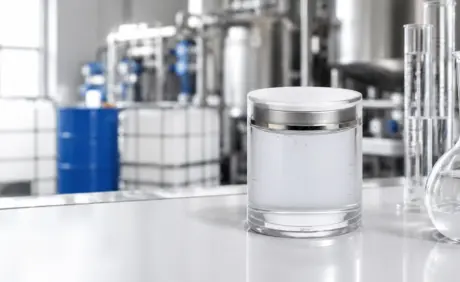
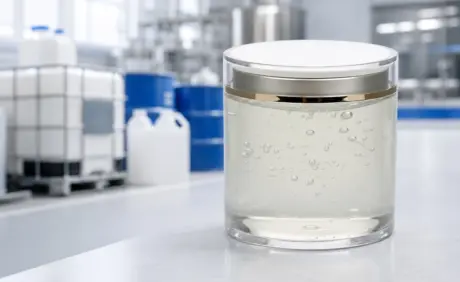
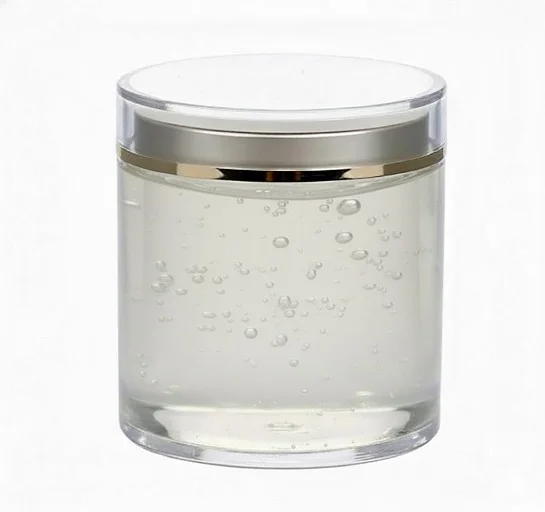
- Appearance: White to light yellow viscous paste
- Active Matter: ~70%
- pH Value: Typically 7.0–9.5 (adjustable depending on formulation)
- Solubility: Highly soluble in water
- Functionality: Foaming, emulsifying, wetting, and detergency agent
The element of SLES helps it lower surface tension quite well. Thus, it can get into dirt and grease more easily. This makes it particularly suitable for formulations requiring strong cleansing performance without compromising mildness.
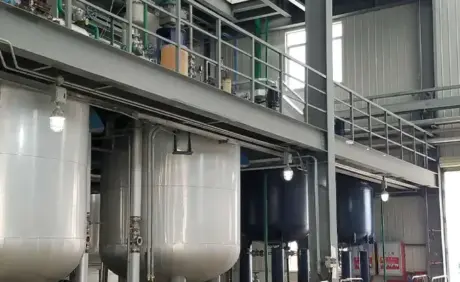
Manufacturers like SPS chemical (Henan Springsea Chemical Products Co.,Ltd.) focus on steady treatment levels and managing sulfation steps carefully to ensure product consistency across batches. This is critical for industrial buyers.
Key Benefits of SLES 70% in Industrial Applications
Many industries choose SLES 70% for its well-rounded features and economic advantages. It stands out against other surfactants. Specifically, it combines good function with low costs.
Strong Foaming and Cleaning Performance
SLES 70% creates plentiful and lasting foam. This boosts the feel in items like shampoos and body washes. For factory cleaning, it improves oil removal. It works well even when used in small amounts.
High Compatibility with Other Ingredients
One of its major advantages is its ability to mix smoothly with other surfactants such as CAPB (Cocamidopropyl Betaine) and LAS (Linear Alkylbenzene Sulfonate). This allows formulators to create customized cleaning systems with optimized performance.
Cost-Effective Large-Scale Production
From a buying standpoint, SLES 70% saves money over many special surfactants. Its high active level cuts down on shipping and storage expenses. Hence, it fits well in major production setups.
Stable Performance in Diverse Conditions
SLES holds up its performance in various water types and pH levels. This reliability aids products sold around the world.
Major Applications Across Global Industries
SLES 70% acts as a basic component in several fields. Its many uses stem from its versatile traits. The table below outlines main areas of use:
| Industry | Application Examples | Functional Role |
| Personal Care | Shampoo, body wash, facial cleanser | Foaming, cleansing, emulsifying |
| Home Care | Dishwashing liquid, laundry detergent | Grease removal, stain cleaning |
| Industrial Cleaning | Degreasers, surface cleaners | Heavy-duty cleaning performance |
| Textile Processing | Scouring agents, wetting solutions | Fiber cleaning and preparation |
| Leather Industry | Pre-treatment and cleaning agents | Surface conditioning |
In personal care mixes, SLES pairs with mild co-surfactants. This cuts down on skin issues while keeping good foam. On the other hand, factory mixes focus on its power against grease. They also value its steady nature under chemicals.
Providers like SPS chemical offer grades tailored to specific needs. These match various mixing demands in different fields.
Market Trends and Global Supply Chain Dynamics
The SLES market around the world grows at a steady pace. Several economic and sector factors drive this.
Increasing Hygiene Awareness
After the pandemic, habits around cleaning have shifted for good. This raises the use of washing and hygiene items. In turn, it increases surfactant needs.
Growth in Emerging Markets
Nations in Asia, Africa, and Latin America see fast growth in factories and cities. This leads to more calls for affordable surfactants like SLES 70%.
Shift Toward Supply Chain Stability
Business purchasers now favor ongoing ties with suppliers. They value steady quality and on-time delivery more than quick price deals.
Regulatory and Sustainability Pressure
Makers adjust to tougher rules on the environment and safety. They improve how they control production and track materials.
Outfits like Henan Springsea Chemical Products Co.,Ltd. run through SPS chemical. They match these shifts with solid output methods. Plus, they support supplies aimed at exports.
Quality Control and Sourcing Considerations from SPS Chemical
For company-to-company buyers, picking a solid SLES 70% source means checking tech, work, and delivery aspects.
Key Procurement Criteria
- Active matter consistency (critical for formulation stability)
- Color and purity level (impacts final product appearance)
- Residual impurity control (ensures safety and compliance)
- Batch-to-batch uniformity
- Packaging and logistics flexibility
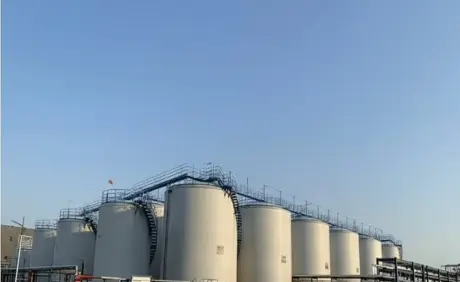
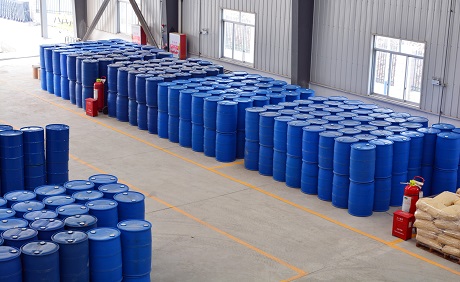
Big producers like SPS chemical stress careful making processes. They make sure SLES 70% fits needs in home and abroad markets. The operations under Henan Springsea Chemical Products Co.,Ltd. support large supply lines for bulk chemical buyers.
Industrial Procurement Advantage
Partnering with proven suppliers lowers chances of mix problems, late shipments, and uneven material quality. This is particularly important for multinational brands and contract manufacturers that rely on continuous production cycles.
Conclusion
The continued dominance of sles 70% in factory mixes shows its special evenness of results, low costs, and mixing fit. As soap and personal care fields change, the need for reliable surfactant setups stays strong at its base.
For manufacturers, steady reach to top-quality sodium lauryl ether sulfate 70% is key to keeping product steadiness and making speed. Within this supply setting, established chemical suppliers such as SPS chemical, under Henan Springsea Chemical Products Co.,Ltd., operate as part of the upstream network ensuring steady raw material availability for global B2B markets. Further details or sourcing requirements can be obtained through SPS chemical‘s official contact channels.
FAQs
Q1: What role does sodium lauryl ether sulfate play in detergent formulations?
A: It acts as the main foam and cleaning agent. It offers mixing of fats and dirt removal in liquid soap systems.
Q2: Why is sodium lauryl ether sulfate 70% preferred in large-scale production?
A: The concentrated paste form lowers shipping cost per unit active content. It also keeps steady mixing actions during factory blending.
Q3: What factors influence the performance of sodium lauryl ether sulfate 70?
A: Results rely on active content level, unsulfated amount, pH steadiness, and raw purity in making.
Q4: How does sles 70% compare with other surfactants in industrial use?
A: It gives an even blend of foam results, value for money, and mixing fit versus many amphoteric or special surfactants.
Q5: Why choose SPS Chemical as a SLES 70% supplier?
A: SPS chemical, under Henan Springsea Chemical Products Co.,Ltd., provides stable production capacity, consistent product quality, and reliable bulk supply for global industrial customers.