
Octyl Methoxycinnamate has appeared in sunscreen and daily skincare formulas for many years. In different files, the same raw material may also show up as Ethylhexyl Methoxycinnamate or Octinoxate. This naming difference is easy to miss. Yet in real export work, it can influence COA checking, label review, formula filing, and customer document matching.

For skincare brands, sunscreen factories, OEM/ODM manufacturers, and raw material distributors, this ingredient is not just a UV filter name on a formula sheet. It connects with market limits, product claims, storage, batch quality, and supplier documents. Many Octyl methoxycinnamate manufacturers offer similar product names. The gap usually shows up in purity control, document support, packing, and export communication.
SPS Chemical, operated by Henan Springsea Chemical Products Co.,Ltd., supplies Octyl Methoxycinnamate for cosmetic and personal care use. For B2B sourcing, the main point is simple. The raw material must match the target market, formula plan, and long-term supply needs.
What Is Octyl Methoxycinnamate?
Common Names Used in Trade and Compliance Files
Octyl Methoxycinnamate is a UVB filter used in sunscreen and skincare products. In INCI documents, it is commonly named Ethylhexyl Methoxycinnamate. In the U.S. sunscreen market, Octinoxate appears more often.
| Name Used | Common Context |
| Octyl Methoxycinnamate | Supplier catalogs, trade documents, raw material sourcing |
| Ethylhexyl Methoxycinnamate | INCI name, formula files, EU cosmetic documents |
| Octinoxate | U.S. sunscreen active ingredient name |
| OMC | Short name in technical communication |
For purchasing teams, these names should be checked before ordering. A commercial invoice, SDS, COA, and formula file need to point to the same material. Otherwise, a small naming issue may turn into repeated emails with customers, labs, or customs brokers.
Main Role in Skincare Formulas
Octyl Methoxycinnamate mainly absorbs UVB radiation. It is often used in sunscreen lotion, facial SPF cream, body sun care, lip care, and daily protection products. Since it is oil-soluble, formulators usually add it into the oil phase.
In many finished products, Ethylhexyl Methoxycinnamate is not used alone. It is often combined with other UV filters to balance SPF value, texture, cost, and market rules. A formula may look fine in the lab, then become greasy, unstable, or too costly after pilot production.
Why Compliance Matters Before Bulk Purchasing
One Formula May Not Fit Every Market
A sunscreen formula for ASEAN markets may not fit the U.S. market directly. A product made for Europe may still need another review before entering China, Japan, Australia, or Canada. Octyl Methoxycinnamate is allowed in many regions. The permitted level and regulatory route can be different.
For B2B buyers, compliance review should come before bulk purchase. A drum of raw material is easy to ship. A finished product stuck at registration is much harder to explain.
Compliance Work Affects Real Business Steps
Compliance work affects daily purchasing and production tasks, not only legal documents.
- Confirming the correct ingredient name
- Checking the maximum use level
- Preparing COA, SDS, TDS, and specification files
- Reviewing SPF claims and label wording
- Supporting product notification or registration
- Keeping batch records for customer audits
This work may look repetitive. It reduces trouble later. For export orders, clear documents often save more time than a slightly lower unit price.
Global Compliance Points for Octyl Methoxycinnamate
European Union
In the European Union, Ethylhexyl Methoxycinnamate has been reviewed by SCCS. It is considered safe as a UV filter in cosmetic products up to 10% under the assessed use conditions. Environmental safety was not part of that SCCS review.
For EU skincare and sunscreen products, formula percentage needs to be controlled carefully. Supplier specification, batch COA, and formula calculation should be kept together. During product information file review, scattered files can make a simple check feel unnecessarily messy.
United States
In the United States, Octinoxate is treated as an OTC sunscreen active ingredient. The FDA sunscreen monograph lists Octinoxate with a maximum concentration of 7.5%. This is lower than the 10% level used in some other markets.
The U.S. route is different from normal cosmetic ingredient filing. Sunscreen active ingredients involve OTC drug rules, Drug Facts labeling, active ingredient declaration, and claim control. For this reason, clear product identity documents from the supplier are very important.
ASEAN Markets
ASEAN Annex VII lists Octyl methoxycinnamate as a permitted UV filter with a maximum authorized concentration of 10%. This makes the ingredient useful for sunscreen and personal care products sold in Southeast Asia.
Still, ASEAN does not mean every country handles paperwork in the same way. Local notification, importer responsibility, language requirements, and claim review may vary. The same formula may need slightly different document preparation in different countries.
Other Markets
China, Japan, Canada, Australia, South Korea, the Middle East, and Latin American markets may use their own ingredient lists, sunscreen rules, or filing systems. For global sales, the safer way is to check the strictest target market first, then decide the formula level.
Product Specification Points Worth Checking
Key Technical Items in Supplier Documents
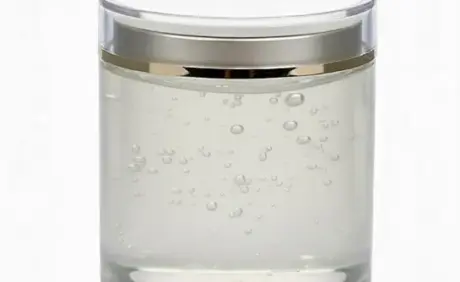
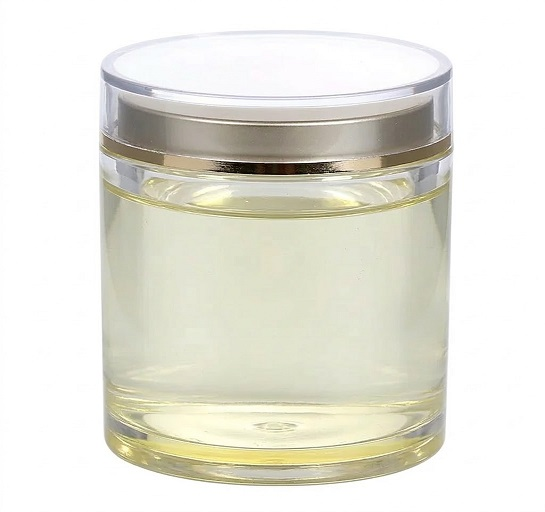
For Octyl Methoxycinnamate, price is only one part of purchasing. The specification shows more about quality control. SPS Chemical lists Octyl Methoxycinnamate as a colorless to pale yellow transparent liquid, with CAS No. 5466-77-3 and INCI name Ethylhexyl Methoxycinnamate.
Common items worth checking include:
- Appearance
- Assay
- GC purity
- UV specific extinction
- Acidity
- Peroxide value
- Refractive index
- Batch number
- Shelf life
- Storage condition
These details matter in actual production. A darker color, unusual odor, or unstable UV value may create extra testing work for the finished product factory.
Packaging and Storage
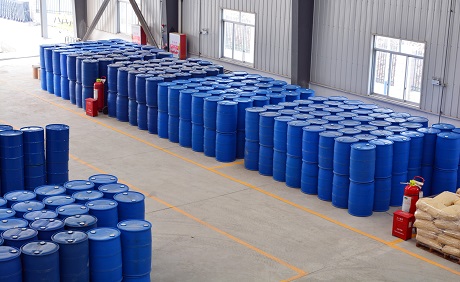
Packaging also needs attention. SPS Chemical provides Octyl Methoxycinnamate in industrial packaging suitable for bulk raw material supply. For export orders, sealed packing and proper storage help protect the material during long-distance transport.
Storage is not complicated. Keep the product sealed, cool, dry, and away from direct light. In warehouse work, this simple point is often the difference between stable stock and avoidable quality complaints.
Formulation Notes for Skincare Manufacturers
Oil Phase Compatibility
Octyl Methoxycinnamate is oil-soluble, so it is normally added into the oil phase. It can work with emollients, esters, oils, and other UV filters, depending on the formula design.
A light facial SPF and a beach sunscreen cream may both use Octyl Methoxycinnamate. Their formula targets are different. Facial products usually care more about skin feel and spreading. Body sunscreen may focus more on cost, water resistance, and batch output.
Combining with Other UV Filters
Ethylhexyl Methoxycinnamate is often used with other UV filters. This helps build SPF performance and balance the protection profile. But every UV filter in the formula must stay within local limits.
A common mistake is checking only Octyl Methoxycinnamate and ignoring the other sunscreen actives. The full UV filter system should be reviewed before production.
How to Choose an Octinoxate Manufacturer
Document Support Comes First
A reliable octinoxate manufacturer should provide more than a quotation. For skincare production, basic documents include COA, SDS, TDS, product specification, batch traceability, packaging details, storage advice, and export files when needed.
Good documents make communication faster. Weak documents usually create long email chains and delayed purchasing decisions.
Batch Consistency and Export Experience
For raw material buyers, batch consistency is often more important than a small price difference. Stable color, purity, odor, and assay help factories reduce incoming inspection pressure.
Export experience also matters. Shipping marks, packing lists, delivery updates, and quick replies to technical questions all affect the order. SPS Chemical support B2B buyers with Octyl Methoxycinnamate product information and export communication. For brands, factories, importers, and distributors comparing Octyl methoxycinnamate manufacturers, these details should not be ignored.
Conclusion
Octyl methoxycinnamate is still ideal for protecting against UVB rays in sunscreens and skincare products. The same ingredient may appear as Ethylhexyl Methoxycinnamate, Octinoxate, or OMC in different markets and documents. Name matching and compliance review should be done before bulk sourcing.
Skincare brands, OEM/ODM factories, distributors, and importers can get a steady Octyl Methoxycinnamate supply from SPS Chemical, operated by Henan Springsea Chemical Products Co., Ltd. They offer product info, spec support, and services to help with exporting cosmetic raw materials. Reach out to SPS Chemical directly for current pricing, samples, technical documents, or to discuss bulk orders.
FAQ
Q1: Is Octyl Methoxycinnamate the same as Ethylhexyl Methoxycinnamate?
A: Yes. Ethylhexyl Methoxycinnamate is the official INCI name, while Octyl Methoxycinnamate is often used in trade and supplier documents. Octinoxate is the official name used in the U.S. market.
Q2: What is the main skincare function of Octyl Methoxycinnamate?
A: Octyl Methoxycinnamate acts as a UVB filter in sunscreen and daily SPF products.
Q3: What documents should an octinoxate manufacturer provide?
A: An octinoxate manufacturer needs to offer a COA, SDS, TDS, product spec, batch number, packaging info, storage guidelines, and export docs when needed.
Q4: Why is global compliance important for Ethylhexyl Methoxycinnamate?
A: Various markets use different ingredient names, have unique concentration limits, label rules, and local restrictions. A compliance check cuts down on registration delays and reformulation risks before launching a product.
Q5: Why choose SPS Chemical for Octyl Methoxycinnamate supply?
A: Because SPS Chemical meets the needs of cosmetics and personal care, offering spec support and smooth B2B exports for raw material buyers.