
In the cosmetics market these days, formulators keep searching for ingredients that give solid protection and mix well into current recipes. Benzophenone-4 fits right in. People also call it sulisobenzone or benzophenone 4 (UV 284). This water-soluble UV filter helps make sunscreens and daily skincare items that stay effective longer. Manufacturers like it because it takes in UVB rays and some short UVA ones while keeping the whole mix stable.
SPS Chemical, from Henan Springsea Chemical Products Co.,Ltd., has built a solid reputation among benzophenone-4 manufacturers by focusing on high-purity cosmetic raw materials. With years of experience supplying global clients, SPS Chemical delivers consistent quality that supports reliable production runs for sunscreens, skincare, and personal care lines.
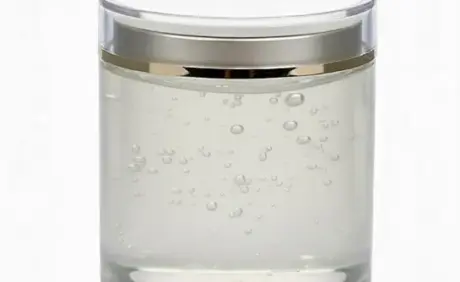
For companies sourcing raw materials in bulk, benzophenone-4 brings real help in water-based systems. Oil-soluble options sometimes do not work as smoothly there. Its easy mixing in gels, lotions, and clear products makes it popular with brands that want good SPF without messing up the feel or look.
Chemical Properties and Technical Advantages of Benzophenone-4
Molecular Structure and Solubility
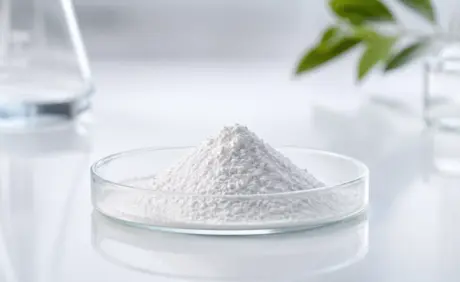
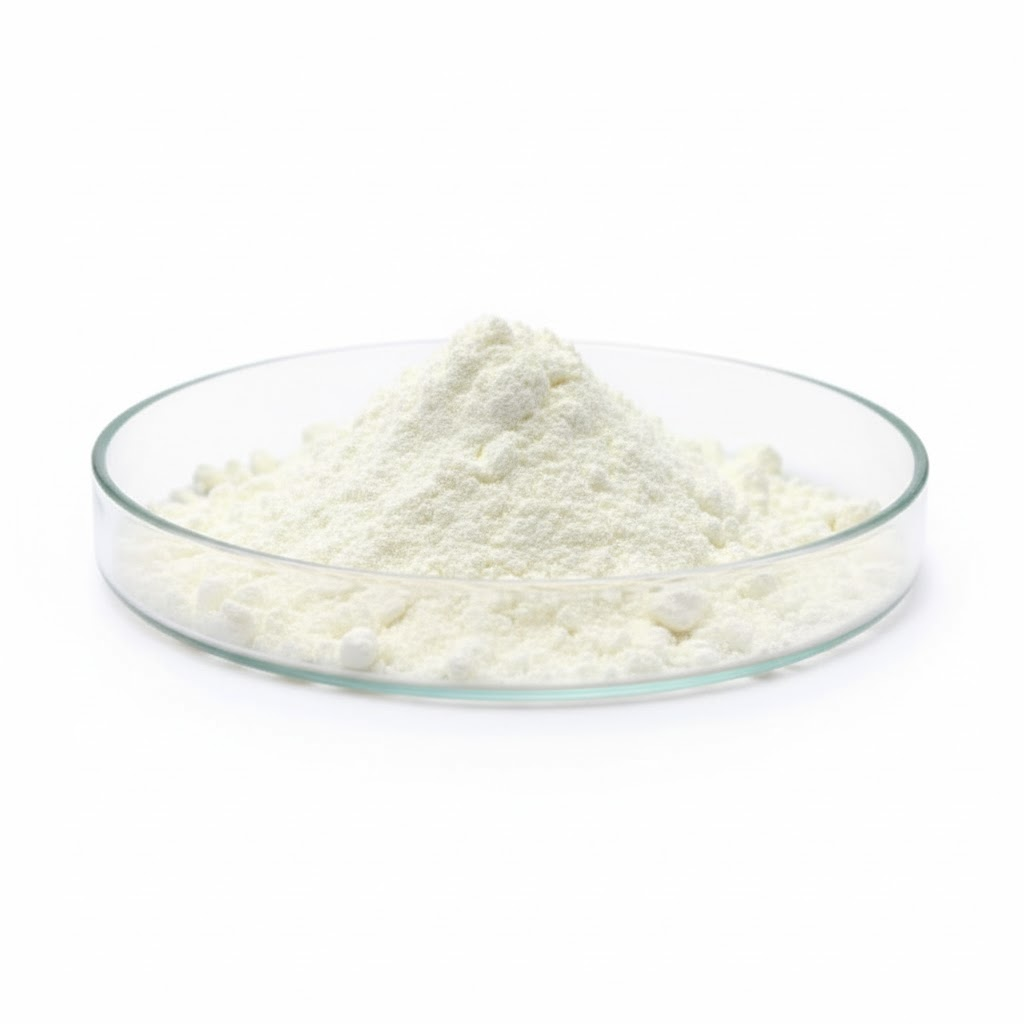
Benzophenone-4 carries the chemical name 2-hydroxy-4-methoxybenzophenone-5-sulfonic acid. It usually shows up as off-white or light yellow crystalline powder. The big plus comes from how well it dissolves in water. That sets it apart from many other UV absorbers. Formulators can add it straight into the water part of a recipe. Often 0.1% already gives clear stabilizing results.
UV Absorption Profile
It absorbs best around 285 to 325 nm. This covers solid UVB and part of short UVA. In actual use, teams combine it with oil-soluble filters for wider coverage. Take polyacrylic acid gels such as Carbopol types. UV light normally makes them thinner. Add benzophenone-4 and the thickness holds better over time. Lab tests back this up even at low amounts.
The material handles heat and light fairly well without breaking down fast. It protects other sensitive parts like colors, smells, and active ingredients from quick damage. Still, it can look more yellow when the mix turns alkaline. Formulators keep an eye on pH for that reason. It works fine in most systems but can have incompatibility issues with multivalent metal ions (like magnesium or calcium) and cationic conditioners in emulsions, which may cause precipitation or formula separation.
Applications in High-Performance Cosmetic Formulations
Sunscreens and Daily Skincare
Cosmetic manufacturers put benzophenone-4 in all sorts of products. Sunscreens use it to raise SPF numbers when mixed with others and to keep protection steady after time outdoors. Daily moisturizers, face creams, and hand lotions include it for light texture and steady work.
Hair Care and Color Protection
Hair products see good results too. Colored hair loses its shade faster in sunlight. Benzophenone-4 helps hold the color by shielding both hair and dyes. It shows up in leave-in conditioners, sprays, and styling items meant for sun days.
Makeup and Rinse-Off Products
Makeup like foundations, lipsticks, and tinted creams also rely on it to stop color changes and ingredient wear during the day. Even rinse-off items such as body washes or shampoos get some benefit as a stabilizer. Small amounts still add to overall light resistance. Products in clear packaging especially gain from this because the contents stay protected on store shelves from store lights.
Safety, Regulatory Compliance, and Industry Standards
Regulatory Approvals
Safety always sits high on the list for ingredient buyers. Regulatory groups have checked benzophenone-4 closely. The SCCS found it safe as a UV filter up to 5% in sunscreens, face and hand creams, leave-on and rinse-off products, lipsticks, and some sprays. This covers both skin protection and mix stabilization.
Quality Considerations for Buyers
In the US the FDA allows it in over-the-counter sunscreens up to 10% when used right. Patch testing over the years show low chances of irritation or sensitivity for most people, though any ingredient can affect certain users. Manufacturers still run their own tests for each formula. At production scale, quality counts a lot. Good benzophenone-4 manufacturers aim for 99% or higher purity, steady particle size, and few impurities. Buyers check details like melting point, drying loss, and absorption numbers to keep every batch reliable.
Why Choose Reliable Benzophenone-4 Suppliers for Your Production Needs
Supply Chain Advantages
When production grows, inconsistent materials create problems like drifting formulas, wasted batches, and customer complaints. This is where solid benzophenone-4 suppliers help. Companies need partners that deliver steady product plus useful advice and reliable delivery.
SPS Chemical as a Trusted Partner
SPS Chemical works as one of the benzophenone-4 manufacturers with focus on high-purity cosmetic materials. They know what modern lines require. Their benzophenone-4 meets tight specs on look, purity, and performance. This helps teams reach stability and protection goals with fewer changes.
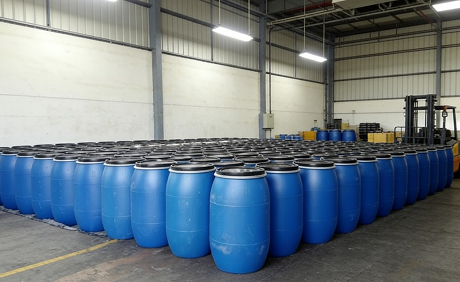
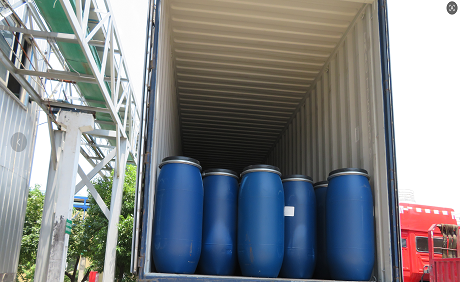
Established suppliers cut down supply risks. Bulk comes in 25 kg drums with clear storage notes — cool, dry, away from light — and papers that support official filings.
Many manufacturers notice smoother scaling and less reformulation work when they source from steady partners. In a market where buyers expect products to perform every day, reliable UV filter benzophenone 4 suppliers become part of staying competitive.
Formulation Best Practices and Performance Optimization
Incorporation Guidelines
Using benzophenone-4 well needs practical experience. Add it to the water phase and watch pH because it works best in certain ranges. Most formulas use 0.5% to 5% depending on the SPF target and other filters.
Real-World Performance Examples
Consider a typical day cream formulation. Mix benzophenone-4 with avobenzone or octocrylene and the SPF holds better after hours under light. In hair items it pairs with conditioning agents to guard color-treated hair on beach trips or regular days out.
Stability Testing Tips
Pay attention to possible interactions. Avoid high levels of magnesium salts in emulsions. Stability testing under accelerated conditions—light, heat, humidity—remains essential. Labs often see that even small additions improve shelf life for items in clear containers under store lights. Production stories mention how switching to better quality reduced color shifts in tinted sunscreens after months on the shelf. These small things matter when shipping large volumes.
Conclusion
Benzophenone-4 keeps its place as a useful water-soluble UV filter that brings stability and solid performance to cosmetic products. It meets both buyer demands and official rules. Its mixing ability and protective traits help manufacturers build sunscreens, skincare, and hair care that last through daily use and sunlight.
For teams that value steady supply, working with proven benzophenone-4 suppliers like SPS Chemical from Henan Springsea Chemical Products Co.,Ltd. gives the dependability needed to develop and expand. Get in touch to talk about bulk needs and how this UV filter can support the next round of product work.
FAQs
Q1: What makes benzophenone-4 suitable for water-based cosmetic formulations?
A: Benzophenone-4’s superior water solubility enables its addition to skin care products without altering their texture or visual appeal.
Q2: What concentration of benzophenone-4 is safe according to SCCS?
A: Up to 5% for sunscreens, creams, lipsticks, leave-on and rinse-off products, covering UV protection and formula stability.
Q3: How does benzophenone-4 protect hair color and makeup?
A: It reduces pigment fading, stabilizes gel viscosity, and shields actives and fragrances from UV-induced degradation.
Q4: What quality parameters should buyers check when sourcing benzophenone-4?
A: Purity (≥99%), powder color, melting point (~140°C), drying loss, absorption efficiency, and supplier batch documentation.
Q5: In which products is benzophenone-4 most commonly used, and how is it combined with other UV filters?
A: Present in sunscreen lotions, moisturizers, hair products, lipstick, and SPF makeup. Usually partnered up with oil soluble UV filters to provide wider UV coverage and stability.