
Introduction
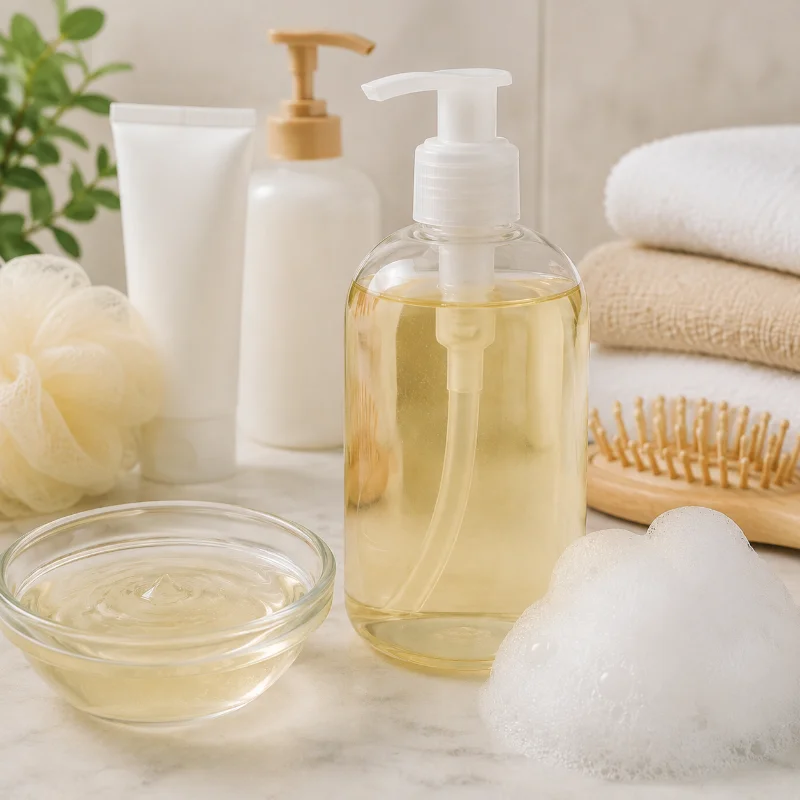
Formulators seek a good mix of rich foam, gentle cleaning, and pleasant skin feel. Cocamidopropyl Betaine delivers these traits in many personal care products. Many call it CAB. This amphoteric surfactant serves as a key ingredient in shampoos, bath gels, and baby items. SPS Chemical, from Henan Springsea Chemical Products Co.,Ltd., provides batches with steady high purity. These batches let B2B partners match specs across production runs.
Henan Springsea Chemical Products Co., Ltd. draws on long experience with surfactant production. The Cocamidopropyl Betaine from Henan Springsea Chemical Products Co., Ltd. follows tight specs for personal and household items. This setup gives OEMs and contract makers more confidence when scaling up output.
What is Cocamidopropyl Betaine?
Chemical Composition and Structure
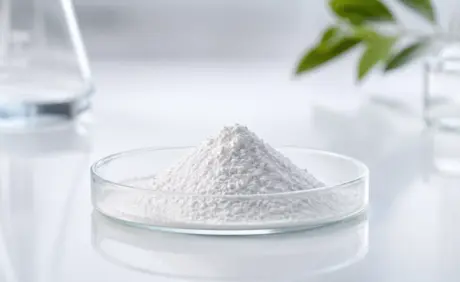
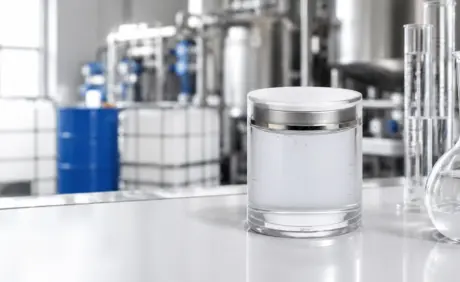
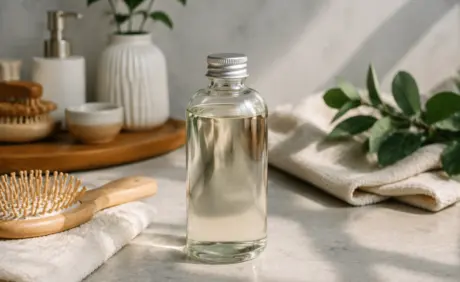
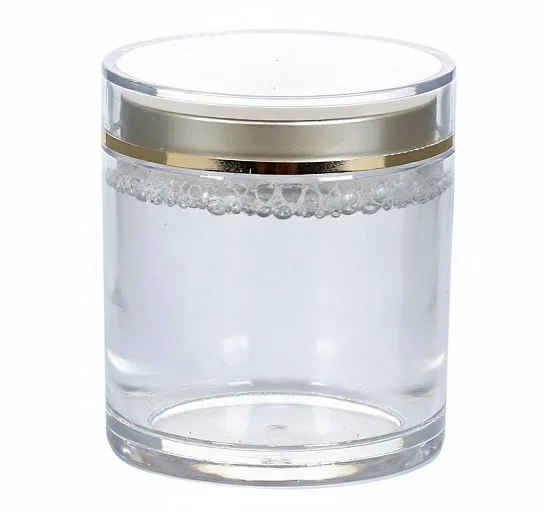
Cocamidopropyl Betaine starts with coconut fatty acids. These react with dimethylaminopropylamine and then undergo quaternization with chloroacetic acid. The finished molecule carries both positive and negative charges, depending on the pH level. According to the specification from SPS Chemical, it appears as a colorless to light yellow transparent liquid. Active matter stays between 28-32 percent, with low sodium chloride and controlled levels of glycolic acid and free amine.
This structure creates amphoteric behavior. The material stays mild at typical skin pH and works well with many different ingredients. It causes noticeably less irritation than traditional anionic surfactants such as SLS. Laboratory tests and production feedback often show lower irritation scores when formulators blend it into systems.
Key Functions in Formulations
CAB works effectively as a secondary surfactant. It increases foam volume and improves stability. At the same time, it helps adjust viscosity in the finished product. Many formulators see denser, creamier bubbles that hold up better during use. The ingredient also brings a light conditioning effect. Hair feels smoother and skin stays softer without extra silicones. In one case, a technician adjusted a clear shampoo that stayed too thin. A modest addition of CAB gave the liquid better body while it still rinsed cleanly.
Applications in Personal Care Products
Shampoos and Conditioners
Many 2-in-1 shampoos and sulfate-containing systems rely on CAB. It usually pairs with SLES or SLS. This combination reduces harshness, builds richer lather, and supports good rinse-off. Usage often falls in the 3-8 percent range for popular retail shampoos. The material mixes smoothly with both anionic and non-ionic surfactants. That flexibility helps when adjusting pearlized or clear formulas. Henan Springsea Chemical Products Co.,Ltd. provides CAB with stable color and odor. These qualities matter during long production runs for private label brands.
Body Wash and Liquid Soap
Body wash formulas gain from the thickening properties of Cocamidopropyl Betaine and its mild cleansing. Users expect rich foam that does not dry the skin, particularly in colder months. Adding CAB helps create that soft texture. It also keeps the product stable when temperatures change during transport or storage. Some manufacturers combine it with alkyl polyglucosides. The blend supports “sulfate-free” positioning while still producing satisfactory bubbles.
Baby Care and Sensitive Skin Products
Parents check labels carefully for anything strong or irritating. The low irritation profile of CAB makes it common in baby shampoos, tear-free washes, and gentle lotions. SPS Chemical’s product meets relevant cosmetic safety standards. This gives formulators confidence for different global markets. One smaller baby care maker changed suppliers and saw more consistent viscosity from week to week. Such details become important when a brand promises gentleness suitable for newborns.
Advantages of High-Quality CAB from SPS Chemical
Purity and Consistency
Not every batch of Cocamidopropyl Betaine behaves exactly the same. Lower-grade versions sometimes carry higher free amine or slight color issues that affect final appearance. SPS Chemical keeps active matter tightly between 28-32 percent, pH from 4.0 to 7.0, and Hazen color at or below 100. This level of control leads to fewer adjustments on the manufacturing floor.
Regulatory Compliance
Henan Springsea Chemical Products Co.,Ltd. maintains proper documentation for key markets. Their Cocamidopropyl Betaine supports clean beauty directions and satisfies safety needs. Traceability back to coconut sources adds value that many brands now mention in their own materials.
Functional Benefits
High-quality CAB improves foam performance even in harder water conditions. It also helps stabilize emulsions over time. Production teams frequently report longer shelf life and fewer separation problems than they saw with lower-cost options.
Formulation Tips for B2B Clients
Optimal Concentration Ranges
- Shampoos: 2-8 percent for regular lines, sometimes 10-12 percent in very mild versions
- Body washes: 3-10 percent
- Baby products: 2-6 percent, frequently paired with other gentle surfactants
- Hand sanitizers or foams: lower levels for a quick-rinse character
These figures serve as useful starting points. Final amounts depend on the complete formula.
Compatibility and Synergy
CAB combines well with SLES and creates thick, stable systems when salt is added. It also works effectively with alkyl polyglucosides when brands want a more natural angle. In one instance, a client lowered the primary surfactant by about 20 percent after including CAB and still reached foam targets. These practical synergies can improve cost efficiency without losing performance.
Stability and Storage Recommendations
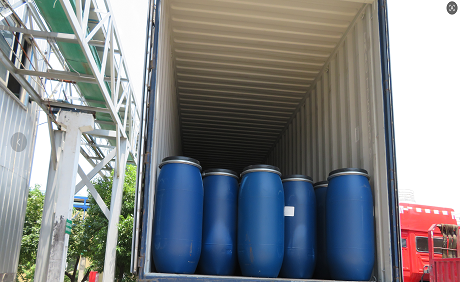
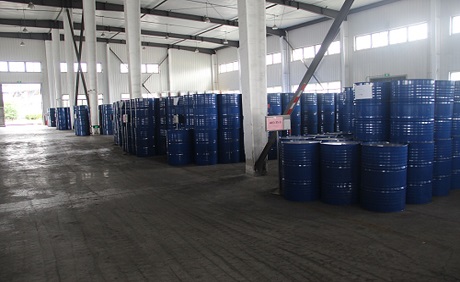
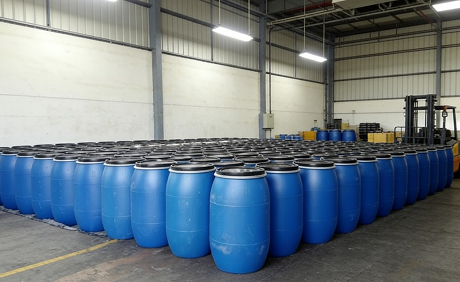
Drums or IBCs should stay in cool, dry areas protected from direct sunlight. The product from SPS Chemical shows good shelf life when containers remain sealed. Bulk buyers often use nitrogen blanketing or temperature-controlled storage. This approach prevents gradual changes over extended periods. Most OEMs prefer to rotate inventory within 12-18 months for optimal results.
Sustainability and Industry Trends
Consumers today tend to favor natural and biodegradable materials. Cocamidopropyl Betaine works well for this reason. Because it is made from coconut oil, which is a renewable resource. There are many green beauty lines that feature Cocamidopropyl Betaine due to the coconut narrative. Henan Springsea Chemical Products Co.,Ltd. pays attention to responsible sourcing and reliable supply. These points grow more relevant as raw material costs shift with harvest seasons.
The move toward milder and greener surfactants continues steadily. CAB allows brands to meet both performance needs and market expectations without major reformulation work. Some manufacturers explore higher biobased versions to strengthen their sustainability stories.
Conclusion
Cocamidopropyl Betaine stands out as a gentle surfactant. It brings mildness and versatility together. This ingredient plays a key part in personal care product development. This surfactant provides the properties of cleansing, foaming, and conditioning in one single ingredient. SPS Chemical offers a high grade of Cocamidopropyl Betaine from Henan Springsea Chemical Products Co., Ltd. for its B2B customers. For all formulators and OEMs in need of highly efficient surfactants for their shampoo, body wash, and baby care formulations, get in touch with SPS Chemical today.
FAQ
Q1: Why is Cocamidopropyl Betaine known as a mild surfactant?
A: Because of the ampholytic character of the substance, it is very gentle on the skin due to the pH. It reduces irritation caused by the main anionic surfactants such as SLS and SLES. At the same time, it gives good cleansing properties.
Q2: How does CAB make foams better in personal care products?
A: CAB is a great foaming agent. It creates foam with better stability and higher quality with increased creaminess when combined with other surfactants in shampoos and body washes.
Q3: What is the average content of CAB in shampoos and body washes?
A: Usually, the content of CAB varies from 2 percent to 10 percent. The exact value depends on the required foam properties, viscosities, and other surfactants included in the formula.
Q4: Can SPS Chemical’s CAB be used in organic/natural personal care products?
A: Yes. High purity CAB of SPS Chemical can be easily integrated into organic and renewable product formulas.
Q5: How can B2B clients ensure stable CAB formulations over time?
A: Teams should follow recommended use levels, store the material under proper cool and dry conditions, and check compatibility with co-surfactants. The consistent specifications from SPS Chemical help reduce variability during scale-up.